
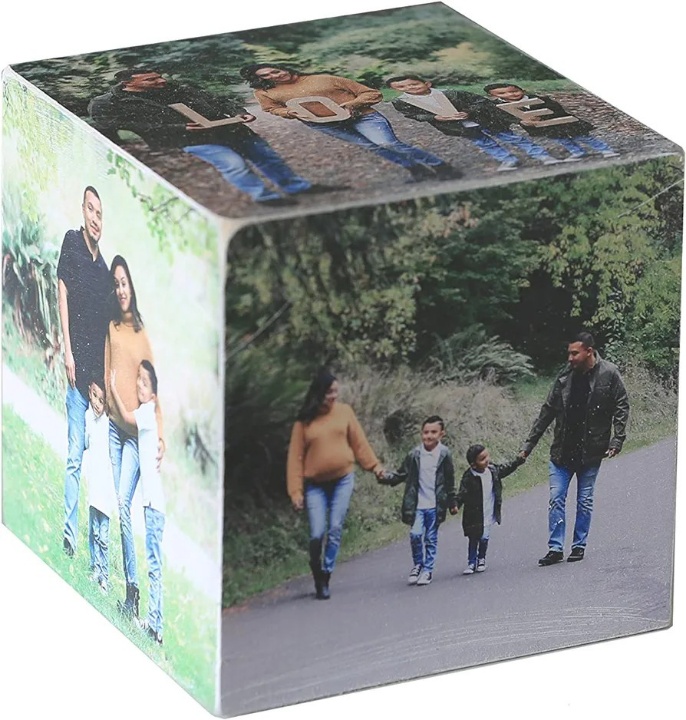
This is not an article about those cubical, high-intensity, light-emitting cubes that were used in the 1960s to supply light in dark environments for film exposure. They were basically 4-sided, timed, magnesium grenades attached to a small camera to take pictures indoors. Rather, this is an expose of flashcards that were first recorded in the 1700s for arithmetic and 1834 for phonics. They have questions on one side of the card and answers on the other side and are flipped over, back and forth, to students to train them in rapid memory responses. The more modern approach today is flashcubes, in which 6-sided cubes are used as a training tool to associate memory responses, along with punishment choices if the correct answer is not given in a short, allotted time. This training method is used on all mammals, and not just young children, in accredited schools. It is basic behavioral training 101. The flashcube may be a physical cube about 5″ per side, and 3 sides display a cause and effect scenario, with the other 3 sides showing undesirable consequences if the wrong choice is made. An example is a flashcube sold by pet shops for customers who have acquired a puppy recently and wish to house train the little mutt. It has installable, inside pictures of the dog’s current residence and a picture of the backyard just beyond the pet’s exterior door. The 3rd square contains a picture of a dog turd with a scratchable odor emminating from it. The puppy owner shows the pooch the freshly scratched picture of the poop and then shows the 4-legged crapper the picture of the backyard with verbal human praises. Right after that, a picture of the interior of the house is shown with an angry voice thrown in. Finally, the flashcube is rotated to show: 1) an open, raised human hand. 2) a closed fist, and finally…3) a picture and sounds of a smoking 9mm pistol with a bleeding, crying dog about to die. All feedback from the Fido Flashcube has been positive.

 Torked Truth